
Developer says housing affordability requires collaboration, not top-down mandates
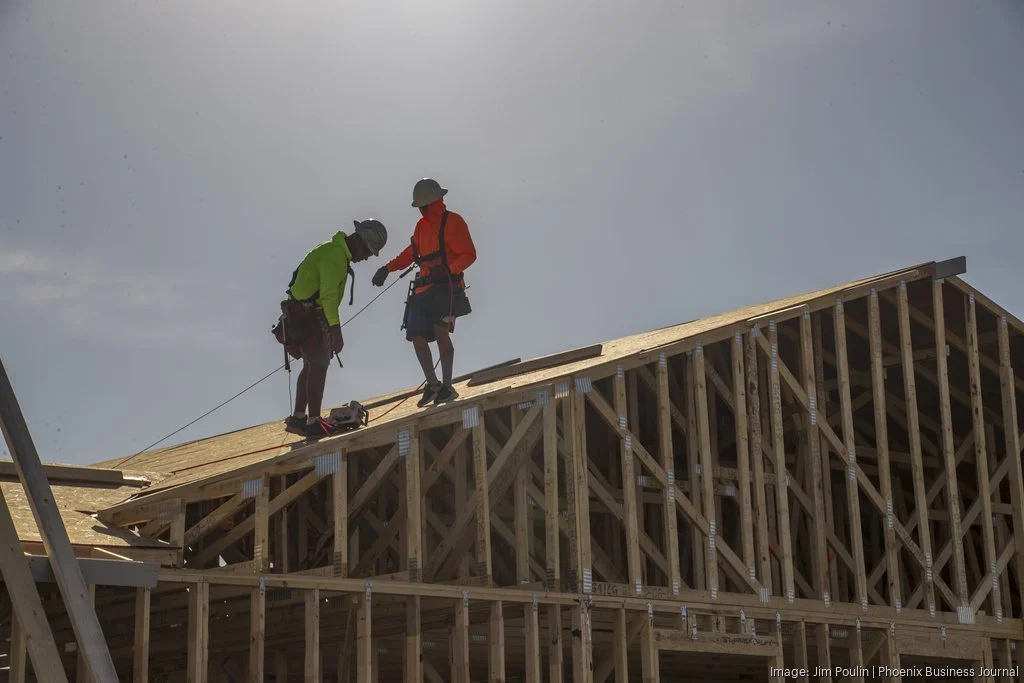
Phoenix should be able to embrace the same public-private collaborations for affordable housing being carried out in cities such as Houston or Minneapolis.
"Too often, the entrepreneurs and small-scale developers shaping our city are left out of the conversations that determine its future. Phoenix will be a stronger city when local businesses have a meaningful seat at the table—involved in conversations before decisions are made, not simply given notice after the fact.
I know Phoenix can expand housing opportunities while protecting the character of our historic districts. I know because I've done it. But it takes collaboration with local business owners and collective willpower."
As the owner of a small development company, I know that small businesses are the engine powering Phoenix’s economy. Business owners create our jobs, invest in our neighborhoods, and help define the character of our communities. But too often, the entrepreneurs and small-scale developers shaping our city are left out of the conversations that determine its future.
I launched my business during the aftershocks of the 2008 financial crisis. Housing markets were eroding, layoffs were rampant, and many companies were abandoning traditional office parks. It was a difficult time to launch a business, but it provided an opportunity for new approaches.
I saw a way to create affordable, flexible office and retail spaces for startups and entrepreneurs who needed a place to grow and thrive in a struggling economy. Those businesses ultimately came, and many succeeded. That experience taught me an important lesson: hardship often drives innovation, but only when people are given the opportunity to participate in shaping solutions rather than just being forced to react to outcomes dictated by others. At my business, we have worked tirelessly to engage the community and local businesses to ensure they have the necessary input. City Hall can do the same.
I’ve witnessed how decisions made at City Hall affect local businesses and, by extension, our neighborhoods. Too often, policymakers consult large business associations, lobbying firms, and well-connected stakeholders while overlooking small business owners – the mom and pops that create jobs, rehabilitate properties and invest in the neighborhoods where they live.
Phoenix will be a stronger city when local businesses have a meaningful seat at the table. That means making municipal government more accessible and ensuring that small business owners are involved in conversations before decisions are made, not simply given notice after the fact.
Nowhere is this more important than on the issue of housing in Phoenix.
Thoughtful infill development can work in Phoenix
Sadly, Arizona has ended another legislative session with ambiguity around affordable housing and no protections for historic neighborhoods. Meanwhile, rising housing costs continue to make it harder for families and job creators to remain in the communities they helped build. I know Phoenix can pursue expanding housing opportunities while protecting the character of historic districts. We can encourage thoughtful infill development near jobs and transit while preserving the places that make Phoenix unique. I know because I’ve done it. I’ve created affordable housing while preserving historical properties; the solutions are in front of us. But it takes collaboration with local business owners and collective willpower.
The good news is that other cities have shown the way for us. For example, Houston has successfully expanded housing availability by encouraging townhomes and infill development in strategic areas while supporting infrastructure investments that keep the city economically competitive.
In Minneapolis, meaningful housing and zoning reforms have paved the way to lowering costs while still protecting historic neighborhoods and respecting local control. Those efforts prevailed because local government, business owners and developers worked together toward a shared goal. Nothing happened in a silo.
We can embrace that same collaborative approach.
What does that look like? Over the years, I’ve participated in many consultations on planning and development issues for the city, often through the Phoenix Community Alliance. Those experiences have shown me that intentional engagement works best when it is broad, transparent and inclusive. The people most affected by growth decisions should have a voice in making them. I think City Hall could implement similar approaches without adding to the bureaucracy that so many people dislike about local government.
When municipalities and small businesses work together, Phoenix can address housing affordability, preserve neighborhood character and remain competitive in a rapidly growing region. When people find a true partner in City Hall, we move our city forward together.
Ashley Harder is founder and principal of Harder Development and a candidate for Phoenix City Council representing District 4.
Original article can be found here: https://www.bizjournals.com/phoenix/news/2026/07/15/affordable-housing-collaboration-policy-phoenix.html
